Introduction
In a developed globe where physical labor and guidebook jobs are prevalent, the relevance of security can not be overemphasized. One vital element of work environment safety and security is manual handling, which incorporates different tasks including the lifting, carrying, pressing, drawing, or relocating of objects. Regardless of the apparent simplicity of these tasks, they can cause severe injuries if not executed appropriately. Thus, Manual Managing Training: Necessary Skills for Workplace Safety becomes a necessity in every work environment.
This training gears up staff members with the knowledge and methods needed to lessen risks while executing hands-on handling tasks. It embodies a thorough approach that not just highlights physical abilities however likewise incorporates psychological readiness and awareness of risks. This article will explore different aspects of hands-on handling training, its relevance, strategies entailed, and exactly how it intertwines with various other vital abilities like first aid training.
Understanding Hands-on Handling
What is Hand-operated Handling?
Manual handling refers to any type of activity that involves training, lowering, pushing, drawing, lugging, or moving items by hand or bodily pressure. The tasks vary from straightforward More helpful hints tasks like lifting a box from the ground to extra complex situations involving mechanical aids.
Why is Manual Handling Important?
The key factor handbook handling is so crucial lies in its direct correlation with work environment safety and security. According to data from Safe Work Australia, bone and joint problems (MSDs) arising from improper manual handling are among the leading reasons for office injuries. Proper training can considerably decrease these risks.

Common Guidebook Handling Injuries
Back Injuries: Commonly resulting from improper lifting techniques. Shoulder Pressures: Triggered by repeated overhanging lifts. Knee Injuries: Arising from awkward bending. Wrist Strains: Connected with repeated motions. Ankle Strains: Brought on by unpredictable surfaces while lugging loads.Each injury kind has its distinct ramifications for recuperation time and monetary prices entailed for both workers and employers.
Legal Needs for Guidebook Handling Training
Workplace Health and Safety Regulations
Most nations have stringent guidelines controling office security that consist of provisions for manual handling training. Employers are legally obliged to guarantee their staff members are properly learnt secure manual handling practices.
Risk Assessments
Employers have to perform danger assessments frequently to recognize prospective dangers associated with manual handling jobs. These analyses must direct the layout of training programs tailored to address certain needs within the organization.
Techniques for Safe Guidebook Handling
Lifting Techniques
Position Your Feet: Keep your feet shoulder-width apart for balance. Bend Your Knees: Bow down instead of flexing at your waist. Keep the Tons Close: Keep close contact between your body and the load. Lift With Your Legs: Use your leg muscle mass as opposed to your back when lifting. Avoid Turning Your Body: Turn your whole body instead of turning at the waist.Carrying Techniques
- When bring an object: Ensure you can see where you're going. Balance the tons equally on both sides if applicable.
Pushing and Drawing Techniques
- Use your body weight to push as opposed to applying force with your arms alone. When drawing an item in the direction of you, maintain it near your body.
Integrating First Aid Training with Guidebook Handling Training
Importance of First Aid Abilities in Hands-on Handling
Accidents can occur despite best shots. For that reason, incorporating first aid training within hand-operated handling programs boosts overall safety and security society within organizations.
Key Locations of Emphasis:
Recognizing signs of injury during or after hands-on handling tasks. Understanding basic first aid concepts such as DRSABCD:- Danger Response Send for help Airway Breathing CPR (Cardiopulmonary Resuscitation) Defibrillation
First Aid Course Options Available
Organizations usually offer various choices for first aid courses:
- Basic First Aid Courses CPR Accreditation Courses Mental Health First Aid Courses
These courses supply important skills that match manual handling training by making certain workers can react properly in emergencies.
First Help Certifications Connected to Office Safety
Obtaining a first aid certificate is crucial not only for compliance however likewise for promoting a safer work environment:
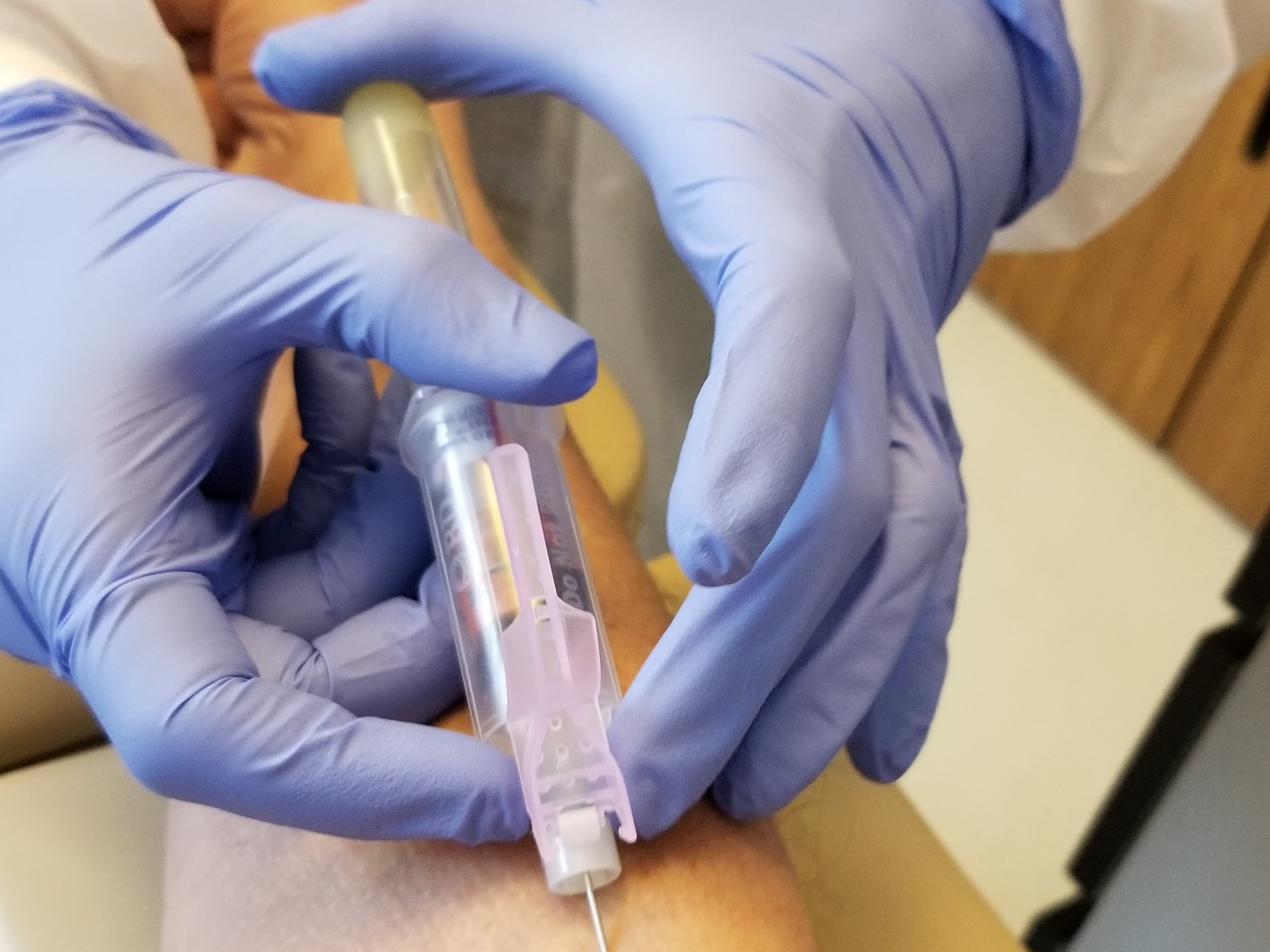
- First Help Certificate: Verifies knowledge regarding standard first aid procedures. CPR Qualification: Furnishes individuals with life-saving strategies necessary throughout heart emergencies.
How Long Does a First Aid Certificate Last?
Typically, qualifications require renewal every 3 years; however, it's a good idea to examine particular course requirements as they might differ by area or provider.
Mental Health and wellness Understanding in Workplace Safety
The Role of Mental Health First Aid
Physical safety is critical; nonetheless, mental health and wellness just as contributes to total workplace wellness:
Increased recognition concerning psychological health and wellness challenges workers might deal with while doing physically requiring jobs. Incorporating Mental Wellness First Aid training prepares individuals to sustain associates having problem with psychological health and wellness problems effectively.FAQs About Manual Handling Training
1. What does "manual handling" encompass?
Manual handling involves tasks such as training, decreasing, pushing, drawing, lugging or moving things using hand or physical force.
2. Why do I need manual managing training?
To lessen risks associated with injuries while executing physical tasks at the office and comply with legal requirements surrounding work environment safety.
3. Exactly how commonly must I undertake manual managing refresher course courses?
It's recommended that correspondence course take place every 2 years; nonetheless, this might differ based on business plans or regulatory requirements.
4. Are there specific certifications I require pertaining to hands-on handling?
While there isn't an universal certification especially for hands-on handling alone-- lots of companies incorporate it right into wider occupational health and safety programs consisting of first aid certifications.
5. Can I find regional programs near me?
Yes! Look online making use of terms like "first aid training course near me," "manual handling training," or "first aid training courses near me" relying on your location.
6. Exactly how does mental wellness connect to physical work environment safety?
Mental health impacts concentrate and power levels-- essential aspects needed when doing physical jobs securely; therefore comprehending this connection cultivates a more all natural strategy in the direction of workplace wellness programs.
Conclusion
In final thought, effective hand-operated handling training acts as an integral part of workplace safety and security techniques throughout markets today-- from building sites needing white card accreditations in Australia to workplace settings where appropriate ergonomic methods matter just as much! By highlighting safe techniques along with crucial emergency action skills such as first aid training-- including CPR instruction-- we produce more secure work environments outfitted not just literally yet likewise emotionally ready against unpredicted situations that might occur at any kind of moment!
With cautious application combined together with recurring educational possibilities-- such steps will eventually grow healthier work societies leading towards enhanced performance degrees among groups almost everywhere!
As we journey onward among evolving industry landscapes full of consistent adjustment-- the dedication in the direction of focusing on staff member wellness with comprehensive programs including both functional hands-on experience alongside intellectual growth continues to be timelessly appropriate now even more than ever before before!
